Pain changes just how individuals relocate, believe, sleep, and count on the health and wellness system. It subjects spaces in professional reasoning and communication faster than nearly any type of various other signs and symptom. An excellent pain monitoring qualification course closes those voids with regimented assessment, functional interventions, and a shared language throughout occupations. The toughest programs do not rely upon charm or a single technique, they base on robust learning outcomes, mindful analysis, and monitored technique that equates to real gains for patients.
This post pulls from hard lessons at the bedside, in emergency divisions, and in outpatient rehab gyms where medical professionals need to determine just how to series analgesia, activity, education, and follow-up. It describes what a pain management qualification course ought to supply, exactly how capability is measured, and just how nurses, physio therapists, paramedics, and physicians can customize paths to their roles. Where practical, it references the context of PUAEme008 Give Discomfort Management, a system usually used in prehospital and emergency situation settings to order secure, efficient practice.
Why an organized discomfort educational program matters
Most medical professionals learn discomfort in fragments. A lecture on NSAID dangers in very first year, a pass-by mention of neuropathic representatives during internship, a weekend break training course on taping or dry needling. Patients with complicated discomfort do not boost with fragments. They improve when a clinician can manufacture nociception, psychology, sleep, activity, pharmacology, and assumptions into a coherent strategy, after that measure what changes.
A strong pain administration certification program concentrates on synthesis and screening. It should furnish the graduate to determine mechanism-based discomfort patterns, pick ideal interventions, and readjust swiftly using patient-reported results and useful measures. In emergency situation pain administration, the risks are immediate: analgesia that makes splinting feasible, a nerve block that speeds decrease, or a non-opioid regimen that deals with kidney colic while staying clear of oversedation. In consistent pain, the timeline is longer however the choices are just as crucial, from pacing and rated direct exposure to deprescribing and flare management.
What "competent" resembles by the end of training
Competence is not a checklist of strategies. It is the ability to choose a technique, clarify it clearly, carry it out safely, and confirm result. The most effective discomfort administration training courses, including short training courses hurting monitoring and deeper discomfort administration qualification programs, require candidates to show 5 core capabilities in actual or simulated technique:
- Diagnostic clarity on pain device. Differentiate nociceptive, neuropathic, nociplastic, and mixed discussions making use of background, exam, and targeted tests. Identify red flags rapidly and refer when needed. Rational multimodal preparation. Integrate pharmacologic and non-pharmacologic methods that fit the mechanism, the setting, and the individual. In an emergency division, that may be IV ketorolac plus a lower arm block. In health care, it may be a brief training course of duloxetine along with a strolling plan and sleep hygiene. Communication that reduces threat. Clarify pain and treatment in ordinary language, set meaningful goals, and train self-management without decreasing suffering. Procedural proficiency where appropriate. Deliver an ultrasound-guided nerve block, apply a thoracolumbar ruptured fracture support, or teach paced breathing properly and safely, depending on scope. Measurement and modification. Track pain strength, disturbance, and functional landmarks. Use devices like PEG-3, PROMIS short kinds, timed walking tests, or raising thresholds. Change program when the data needs it.
Programs built on the PUAEme008 Offer Pain Monitoring system, or aligned to its expertises, stress comparable end results for prehospital clinicians: secure administration of analgesics, surveillance and documentation, escalation and examination, and patient-centered interaction during high-stress events.
Core educational program: what serious courses in fact teach
A pain monitoring certification course that generates durable skills consists of four strands that interlace: foundations of discomfort science, scientific reasoning and evaluation, interventions, and systems knowledge.
Foundations of pain science. Students need a convenient version that discusses why discomfort magnifies or alleviates. Not a lecture hall trip of neurotransmitters, however an understanding of nociception, central sensitization, and contextual inflection. When a person with side arm joint pain fears ligament tear, the medical professional must string the needle in between verifying pain and clearing up lots resistance. When an older adult with shingles can not sleep, a neuropathic structure brings about ideal representatives and expectations.
Clinical thinking and assessment. Background drives diagnosis. In method, the most effective clinicians ask sequence and effect concerns that map time, tons, and meaning: what transformed before the discomfort, what makes it louder or quieter, exactly how does it take a trip, what do you assume is occurring, what do you most fear? Physical exam has to specify. For knee pain, the difference between patellofemoral overload and meniscal irritability remains in the squat angles and spin tests that prompt or clear up signs. For believed neuropathic discomfort, sensory mapping and vibrant allodynia examinations educate whether to test a salt channel blocker or gabapentinoid. Throughout setups, evaluation includes risk, from opioid-related sedation to falls throughout mobilization.
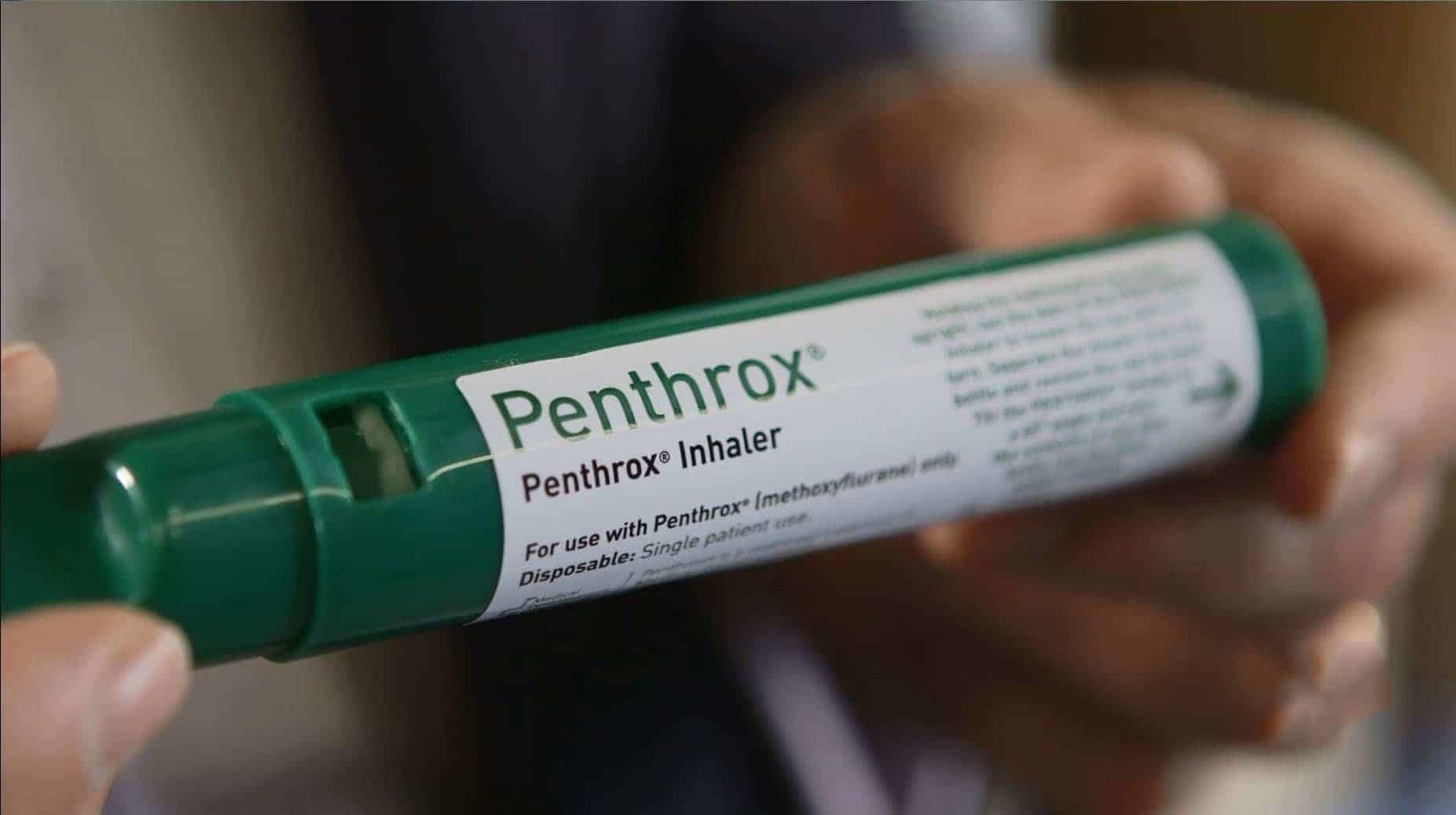
Interventions that fit the mechanism. Pharmacology matters, yet so do rest, mood, and activity. Great training courses show sensible analgesic ladders that utilize acetaminophen, NSAIDs, anesthetics, and adjuvants well, with opioids positioned carefully for intense serious pain and time-limited indicators. They additionally show graded exposure, pacing, and strengthening with adequate information to implement. For emergency pain administration, learners method intranasal fentanyl, IV ketamine for step-by-step sedation, and local strategies that acquire hours of relief without systemic burden.
Systems and cooperation. Pain treatment lands across techniques. Nurses manage real-time distress, physio therapists relocate people securely and rebuild ability, General practitioners collaborate lasting plans, and paramedics supply analgesia on scene. Pain management training for nurses stresses assessments, early non-pharmacologic techniques, cannulation and tracking, and education. Pain management courses for physiotherapists stress load monitoring, rated task, manual therapy as an adjunct, and patient-led flare plans. Shared language lowers friction at handover and cuts duplicate work.
Pathways by profession and scope
A certificate program in pain administration should respect extent while increasing the ceiling for each and every role.
Nurses. Discomfort management training for nurses often supports medical facility process. Expect extensive components on analysis ranges throughout ages and cognition, titration of analgesia within standing orders, recognition of damaging effects, and non-drug methods that can be begun promptly: placing, heat or cold, breathing, interruption, and rest regular assistance. For emergency situation and perioperative nurses, courses likewise cover step-by-step sedation assistance, capnography, and rise thresholds. Analysis generally consists of simulated scenarios where refined breathing depression need to be spotted early.
Physiotherapists. Discomfort monitoring programs for physio therapists should be hands-on with tons progression tools. That includes just how to establish baselines when pain is volatile, just how to compose a rated exposure strategy that the client can in fact comply with, and how to incorporate education without lecturing. Skilled physios do not assure no discomfort prior to activity, they instruct secure boundaries and interpretations of soreness. Assessment entails case viva evaluations, observed treatment sessions, and results on feature, not simply discomfort intensity.
Paramedics and initial responders. For teams making use of PUAEme008 Offer Discomfort Administration, the emphasis is severe analgesia under stress. Learners technique quick analysis, intranasal and IV dosing, local blocks where allowed, and paperwork that takes a trip with the individual. Emphasis drops on safety, individual connection in chaotic scenes, and clean handover to ED with clear reaction to treatment. Analysis is scenario-driven with time pressure and curveballs like thought allergy or hypotension.
Medical practitioners. For General practitioners and ED physicians, a pain monitoring certification program need to develop triage of mechanism, deprescribing where medications are hurting more than aiding, and step-by-step skills like nerve blocks or set off point shots depending upon extent and rate of interest. Robust pharmacology refreshers consist of kidney, hepatic, and senior citizen considerations, plus techniques for brief opioid tapers and shared choice making.

Learning outcomes that matter
Clear results drive excellent training and truthful assessment. Solid discomfort monitoring courses and discomfort monitoring training programs release outcomes that convert straight to practice.
By college graduation, a prospect should accurately:
- Prioritize risks and warnings, consisting of cauda equina, air conditioning masquerading as thoracic discomfort, area disorder, or infection. Make the best phone call concerning imaging and referral. Differentiate likely discomfort systems and describe them in language that lowers anxiousness without dismissing pain. Build a multimodal plan that integrates medicine, movement, and education, sequenced to reduce concern and rise function. Dose and display anesthetics securely, consisting of ketamine for acute pain, gabapentinoids for neuropathic features, and local anesthetic where trained. Record vitals and response clearly. Coach self-management, sleep, and pacing techniques, and style follow-up that records the metrics that matter to the patient.
If a program promises grand claims without these results, maintain looking. A legitimate pain administration certification program or brief program hurting monitoring will dedicate pain management workshop short format to measurable modification in medical professional behavior and person outcomes.
How the understanding is assessed
Assessment should seem like clinical work, not a trivia competition. The better programs use layered assessments that catch dead spots early and examination judgment, not simply recall.
Written knowledge checks. Short-answer concerns that compel reasoning out loud beat numerous selection for deepness, though MCQs are efficient for breadth. A reasonable test may ask a candidate to create a step-by-step plan for severe kidney colic in a person with phase 3 CKD, or to detail a deprescribing plan for an individual on lasting opioids with poor function.
Structured professional examinations. Goal organized clinical evaluations, or OSCEs, work well for discomfort due to the fact that they can evaluate both compassion and decision production. In one station, a standardized person with sciatic nerve pain requests for an MRI and more powerful tablets. The medical professional must show they can verify distress, examine securely, suggest a strategy, and bargain expectations. In another, a prospect performs an ultrasound-guided fascia iliaca block on a model, with checklists for sterility, anatomy acknowledgment, application, and consent.
Workplace-based evaluation. For longer programs or a discomfort monitoring certificate connected to a health and wellness solution, supervisors examine actual instances. They take a look at notes for clearness, suitability of plans, paperwork of danger discussions, and follow-up. Some training courses require a minimal variety of observed individual experiences. Quality information might include a reduction in time to very first analgesia in a department, or improved percent of people with functional goals documented.
Simulation for emergency skills. Emergency situation discomfort monitoring benefits from high-fidelity simulation. Scenarios include pediatric burns, major fractures, and injury with hypotension. Prospects exercise intranasal fentanyl dosing, repeat analyses, and sychronisation with the group. Debriefs concentrate on micro-skills: watching breathing rate while talking with a member of the family, or adjusting the strategy when the discomfort rating declines but the individual still can not tolerate movement.
Reflective method. Discomfort modifications both patient and clinician. Excellent programs ask learners to reflect in writing on challenging situations where something went wrong or where predisposition slipped in. These reflections end up being a platform for certain mentoring and, when shared in small teams, build a society of inquisitiveness and humility.
How training courses installed PUAEme008 Provide Discomfort Management
Many prehospital and emergency-focused programs map straight to PUAEme008 Supply Pain Administration. In method, that indicates mentor and analyzing competencies like:
- Conduct pain assessment, consisting of intensity ranges suitable for age and cognition, and reassessment after interventions. Administer analgesia within extent and procedures, with proper dosing, contraindications, and cautious monitoring. Implement non-pharmacological techniques in the area, from immobilization and thermal treatments to spoken confidence and breathing guidance. Communicate and document plainly, consisting of handover reports that describe mechanism, pain trajectory, medicines offered, and response. Recognize when to escalate, seek advice from medical control, or delay interventions because of risk.
Courses that advertise PUAEme008 Give Pain Monitoring or comparable frameworks must show a mapping file that links each learning component and analysis piece to these aspects. That transparency assists learners and companies trust the certificate.
The worth of short programs versus full certification
Short courses in pain monitoring are attractive for hectic clinicians. A focused one to 2 day program can reset practice promptly, specifically for emergency situation discomfort monitoring or a single ability like regional anesthesia for upper limb injuries. The compromise is deepness and retention. Without organized follow-up, abilities can fade.
A discomfort monitoring qualification training course covers weeks to months, usually with live sessions spread out, purposeful practice, and mentored application at work. It costs extra in time and cash yet supplies far better adaptation. Grads have a tendency to adopt sustained adjustments, such as regular use of useful result procedures or trustworthy deprescribing protocols. For companies, an official discomfort management certification can standardize treatment throughout teams and reduce unwarranted variation.
Building interprofessional fluency
Pain does not respect silos. A patient released after a fall will see registered nurses, medical professionals, pharmacologists, and physiotherapists in quick succession. Interprofessional workouts in a pain management course, even quick ones, pay dividends. During one pilot we ran, a nurse, a physio, and a jr doctor assessed the very same situation and uncovered they were all offering different advice concerning movement for acute low neck and back pain. After two hours of common planning, they settled on a single manuscript and a handout with constant cues. Re-presentations for reduced pain in the back dropped by a third over the next quarter, which straightened with far better self-management calls recorded in telephone follow-up.
Courses must script these cross-discipline rehearsals. They disclose duty borders and common ground. For physio therapists, hearing just how nurses manage analgesia and ecstasy threat in older grownups changes just how a rehab plan is staged. For registered nurses, recognizing just how physios gauge load tolerance clarifies which pain habits are risk-free to train through.

Practical details that divide strong programs from the rest
Programs vary commonly. Some promote big names yet deliver common slides. Others lack supervised method. A trustworthy discomfort management course, whether a modular pain management training program for nurses or a consolidated associate including physiotherapists and medical personnel, tends to share a couple of qualities:
- Real situations with numbers. Cases must show the drug doses, the function steps, what transformed day to day, and the specific words used to instructor the individual. Unclear narratives are a red flag. Tight feedback loopholes. Comments must be rapid and targeted. A solitary line on compassion is not enough. Good faculty quote your words and show how to boost them, or video your shot technique and mark little setting changes. Capable professors who still technique. Energetic medical professionals bring recency. They also understand which methods seem excellent in theory however fall short after twelve o'clock at night in an undermanned ward. Measurable outcomes past attendance. Certifications should not be granted for showing up. There should be a pass requirement for analyses, with second-chance paths and removal plans. Explicit range. Training courses must say which procedures and medications are in scope for which professions, and what the neighborhood laws require. A physio therapist can not recommend in many regions, and a paramedic's formulary is protocol-bound.
Making evaluations fair and defensible
High-stakes certifications require justness. Quality upfront stays clear of complication and appeals.
Rubrics that mirror practice. The rubric for clarifying a pain strategy might honor points for setting assumptions regarding changes, negotiating activity targets, and confirming understanding with teach-back. These aspects mirror real-world requirements. For procedural tasks, rubrics should punish breaks in sterility or incorrect dosing a lot more heavily than minor inefficiencies.
Multiple tasting factors. One OSCE station is too fragile. Solid programs sample throughout several stations and instances. If an ability is important, it ought to show up greater than as soon as in various contexts.
Standardized patients and calibration. When stars supply the same cues consistently, assessments end up being a lot more reliable. Faculty calibration sessions keep racking up aligned. Exterior examiners include an additional layer of oversight for capstone assessments.
Reasonable accommodations. Discomfort courses attract medical professionals with varied first languages, physical abilities, or examination stress and anxiety. Accommodations that do not jeopardize standards, such as additional analysis time or ergonomic configurations for procedures, maintain the playing area fair without lowering the bar.
What candidates can anticipate day to day
A week in a combined discomfort monitoring certification could resemble this. Early week readings on mechanism-based assessment, a one-hour real-time instance meeting with faculty, and a functional laboratory on local anesthesia strategy with ultrasound versions. Midweek, a reflective go to a tough patient and a short test on pharmacology communications. Late week, observed practice in your work environment with a supervisor evaluating a real encounter, and a debrief on communication approach. The rhythm equilibriums expertise, hands-on ability, and representation. For brief courses, the framework compresses right into immersive days with extended labs and immediate OSCEs.
A fast self-check prior to enrolling
- Does the curriculum specify learning outcomes tied to your extent and setting, such as PUAEme008 for emergency situation companies or practical rehab outcomes for physiotherapists? Are there observed evaluations that evaluate interaction, not simply understanding and procedures? Will you get comments from energetic medical professionals, and is there a course for removal if you fall short? Does the program step patient-centered outcomes like time to very first analgesia, pain disturbance, or go back to activity? Is interprofessional technique baked in, or a minimum of recognized with recommendation paths and shared language?
Handling tricky situations the curriculum need to cover
Edge situations examination both understanding and judgment. Excellent training courses do not dodge them.
The client that demands opioids. A difficult no without interest burns trust fund. A proficient feedback checks out prior experiences, clears up goals, provides options with openness concerning advantages and threats, and sets a time-bound test if appropriate. Documents becomes your ally. Assessment ought to observe exactly how you hold this line kindly.
The older adult with delirium danger. Analgesia is crucial, yet specific medications increase danger. Courses must coach safer options, cautious titration, and nursing techniques like regular reorientation and rest security. When discomfort stays unchecked, assessment with geriatrics or anesthesia might be the appropriate move.
The professional athlete with an impending competitors. Here the plan could prefer local techniques that save sedation, plus lots adjustment and clear guidance on what is risk-free to push. The clinician has to be straightforward concerning trade-offs and possible setbacks.
The employee's compensation instance with conflicting programs. Clearness on feature goals and objective metrics maintains the plan grounded. Professors with work health experience can model how to stabilize compassion with suitable boundaries.
Verifying the certification's credibility
Not all qualifications carry the same weight. Companies and regulators try to find positioning with acknowledged requirements, transparent evaluation, and faculty credentials. If you are reviewing a pain monitoring certificate program:
- Ask for a curriculum with mapped outcomes and evaluation methods. Check whether the program is acknowledged by your expert board for proceeding education. Review faculty CVs for present technique and mentor experience. Look for post-course follow-up. Programs that collect outcome data and use refreshers signify a quality mindset.
For PUAEme008 give pain management paths, validate that the analysis is performed by a signed up training organization or comparable authority in your region, which useful elements fulfill regional extent of method and medication administration laws.
What modifications after you pass
Certification ought to transform Monday morning method. You document in a different way. You pick first-line analgesics with more confidence and block previously for fractures. You speak about pain in a manner that individuals recall a week later. You measure feature in addition to discomfort, so progress base on more than a number. Groups notice much faster handovers, fewer ask for rescue dosages, and steadier progress in rehabilitation. Over months, audit data typically come along like decreased time to very first analgesia in triage, increased use of regional methods in the ED for hip fractures, or far better return-to-work rates after bone and joint injuries.
Graduates additionally ask far better inquiries. When a strategy fails, they do not double down blindly. They reassess mechanism, check that education landed, think about rest and mood, and renegotiate goals. That disciplined humility is the mark of a medical professional shaped by actual training, not just a certificate on the wall.
Final thoughts for program developers and learners
For instructors, stand up to need to pack every little thing right into talks. Translate outcomes right into technique minutes. Movie actual approval discussions. Build analysis around the habits you wish to see at 2 a.m. For learners, pick the program that will test you to transform, not just verify what you already do. Whether you select a brief program in pain administration, a targeted emergency discomfort administration module, or pain management training courses an extensive discomfort monitoring certification, insist on outcomes and assessments that mirror the job. Your people will certainly feel the distinction, frequently within the very first couple of mins of the following encounter.
Across hospitals, centers, and rescues, the medical professionals who succeed at discomfort administration share a similar pattern. They are specific in assessment, versatile in planning, calm in dilemma, and relentless concerning gauging what issues. When a program constructs those behaviors via clear knowing end results and strenuous assessment, the certification suggests something. And that definition turns up where it counts, at the bedside.